 Nevada
What to Bring to a Notary Appointment in Nevada
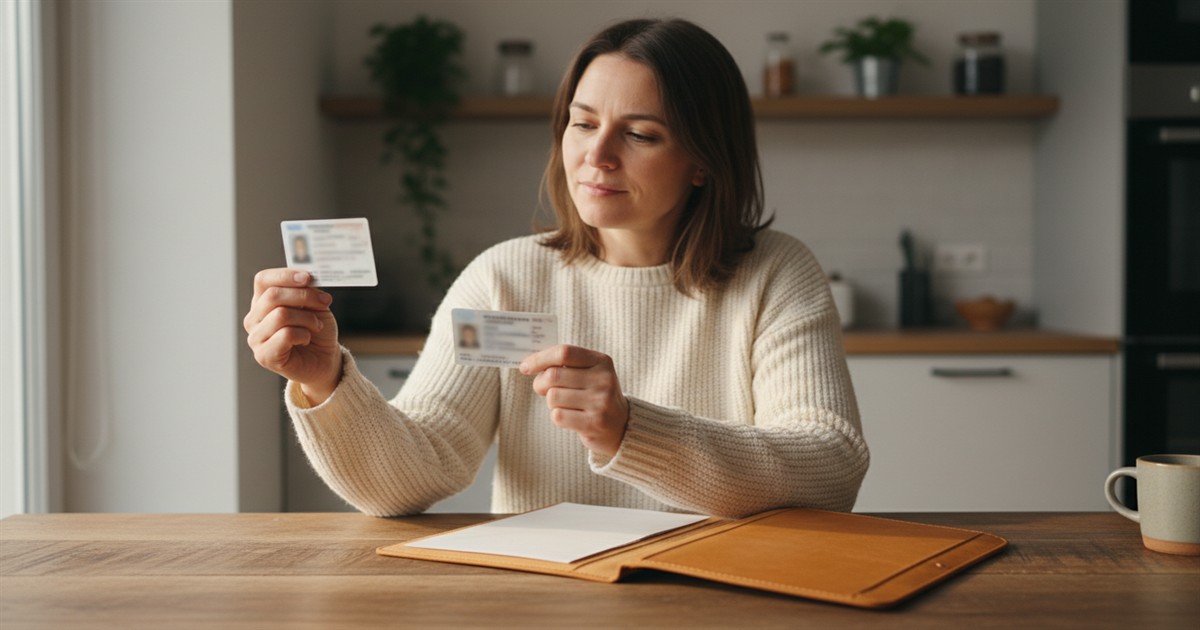
Most notary appointments take under ten minutes. The ones that do not almost always fail for the same boring reason: the signer arrives without something the notary legally needs, and there is no workaround. Because a Nevada notary cannot verify identity from a phone photo of a license, cannot notarize a document that was already signed days ago without knowing it, and cannot guess what a lender in another state meant by page four.
Here is the packing list worth running through before you leave the house. It is short, and it covers nearly every rescheduled visit.
The one thing that actually cannot be replaced
Bring your current, government-issued photo ID. That means a driver's license, a state ID card, a U.S. passport or passport card, or a military ID. The notary has to look at the physical credential, confirm it is unexpired, and match the name and photo to the person standing in front of them.
A photo of your license on your phone does not work. An expired license usually does not work, even if you renewed it yesterday and are waiting for the mail — if you are in that gap, bring the expired card together with your renewal receipt and ask before the appointment starts. A birth certificate or Social Security card is not photo ID. And a document with a name that does not match the one on your identification is its own problem, which is worth sorting out with whoever drafted the paperwork before the notary is involved.
Bring the document — unsigned
The single most common mistake is signing ahead of time, usually the night before because the form seemed straightforward. A notary certificate that says the signer appeared and acknowledged their signature is a statement about something that happened in the notary's presence. If you already signed, tell the notary up front; for some certificates there is a clean way to handle it, and for a jurat there is not. Signing in the room takes thirty seconds, so there is no good reason to gamble.
Also bring every page, not just the signature page. Notaries are asked to confirm that pages aren't swapped, that the document is complete, and in some cases to check a page count or place the certificate where the document's own instructions say it belongs. A loose signature page with no visible context is a flag.
The paperwork people forget in the car
A few categories of document come with a second piece of paper that gets left behind:
- Lender and title packages. Bring the whole packet, including the instructions page and any cover letter from the title company or escrow officer.
- Documents from another country. Policies, powers of attorney, and university records drafted abroad often have their own instructions about where a certificate goes and what language it may be in.
- Name-change chains. If the document is in a maiden name and your ID shows a married name, bring the marriage certificate or court order that bridges the two.
- Estate planning sets. Bring the complete original set, not a photocopy, and the signing instructions if the attorney provided them.
- Business filings. Bring the entity paperwork and be ready to say, in your own words, what your title is and that you are authorized to sign.
Whether a second person needs to come
If the document calls for a witness, the witness has to be there in person and has to bring their own photo ID. Whether a notary can also serve as the witness depends on the document and on the state's rules, so don't assume it — ask when you book. Two-signer documents, like some deeds and quitclaim transfers held in joint names, need both signers present with both IDs. Showing up alone for a two-name document means a second appointment.
A quick note on witnesses in estate planning: some wills and trusts require independent witnesses who are not named in the document. If the attorney's instructions mention witnesses, treat that as a separate person coming with you, not something to figure out at the table.
A minute of prep that saves the trip
Read the notarial block, not the whole contract. It is usually a short paragraph at the end that starts with something like "State of" and contains the words acknowledgment, jurat, or sworn to. That tells the notary what is being asked for. If you can say "it's an acknowledgment" or "it's a jurat" when you call, you get an accurate answer about timing and whether anyone else needs to be there.
Also confirm the document is actually the one you think it is. Splitting a PDF into two emails is how the wrong revision ends up in the car.
What you do not need to bring
You don't need to print anything in advance of a mobile visit unless a document requires a specific paper size or color. You don't need to bring cash for fees in most cases, though our notary pricing page spells out exactly what a visit costs. You don't need a cover story about why you need the notarization — a notary cannot answer whether you should sign something, and isn't allowed to explain what a document means legally. If you're unsure what you need, the FAQ covers the questions that come up most, and a notary who is not your attorney can point you to the right direction without advising you.
If you're booking a remote session instead
Remote online notarization flips this list around. You need a quiet, private spot with a reliable connection, a camera, and your photo ID in hand — plus a phone for the identity check. There is nothing to print, sign, or carry. RON is available anywhere in Nevada, which matters if you're in Elko, Reno, or anywhere outside the Las Vegas Valley. Same-day scheduling and evening slots fill quickly, so it's worth checking availability on the contact page before your deadline, not after.
For everything else — walk-in or mobile anywhere in the Greater Las Vegas area, including Henderson and the surrounding suburbs, as listed on our service area page — the short version is: ID, unsigned pages, the instructions that came with them, and any witness the document requires. That is the whole list. If you aren't sure whether your document meets it, a two-minute call before you leave is cheaper than a second appointment.
More from the blog
- A Notary for Your Small Business, Not Just Your Loan
- Notarizing Documents You Mail Out of State
- Walk-In or Mobile Notary? How to Choose in Las Vegas
This article is general information about Nevada notarial practice, not legal advice. I am not an attorney licensed to practice law in Nevada and cannot give legal advice. For guidance about your specific situation, consult a licensed Nevada attorney.